Downtown access, calmer pocket
A practical base: transit and essentials nearby, with routes that keep you out of the loudest late-night areas. Use this page like a checklist.
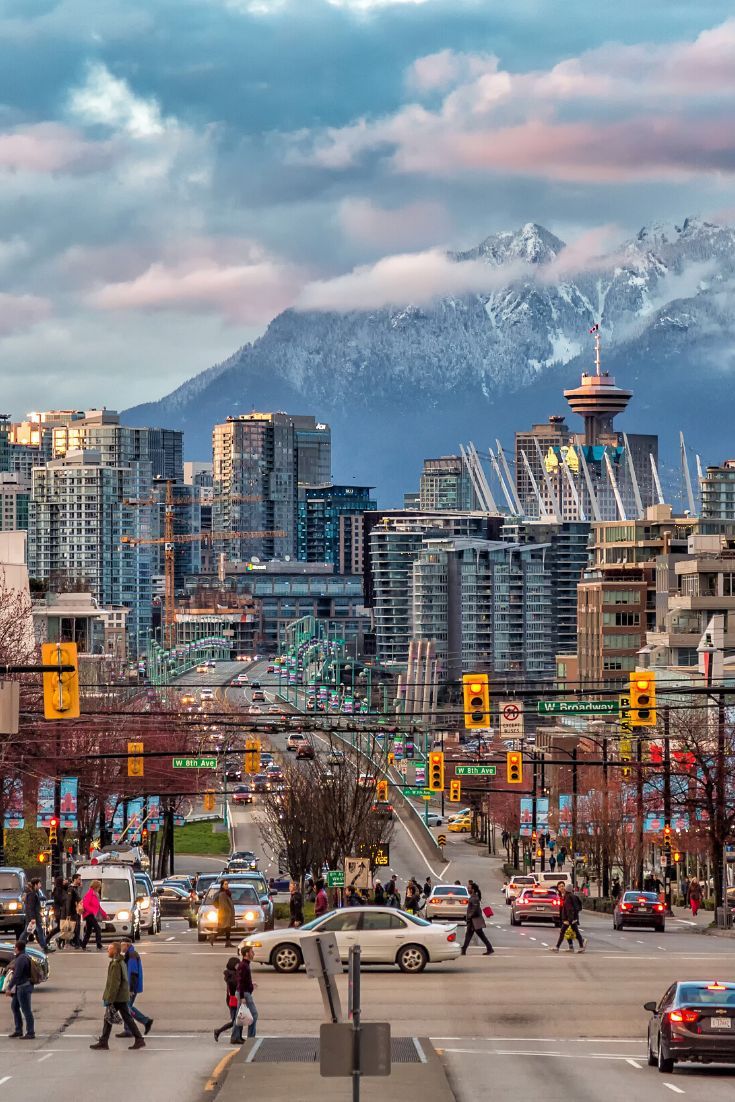
Area map (overview)
Use the embedded map below for quick orientation. For exact address details, visit the Contact page.
Transit steps that reduce friction
We keep instructions simple: fewer transfers, predictable exits, and clear “what you see” cues.
- Choose rail where possible for predictable timing.
- Exit near downtown core and switch to subway/streetcar only if it saves walking in bad weather.
- For late arrivals, consider taxi/rideshare to simplify last-mile navigation.
Exact route varies by airport and day—confirm with your preferred map app.
- Look for wide sidewalks and well-lit streets (safer and calmer at night).
- Keep luggage routes simple: fewer turns beats “shortcuts”.
- If arriving after quiet hours, keep conversation volume low in hallways.
- Morning: walk to coffee; avoid peak intersections when possible.
- Midday: transit for museums and districts; return for a reset.
- Evening: choose quieter dining streets if you’re sensitive to noise.
- Winter: plan indoor connectors and shorter walks where available.
Essentials for a kitchenette-based stay
Because there’s no on-site restaurant, this section is deliberately detailed: where to get basics, how to stock for 2–7 days, and how to keep routines simple.
Breakfast
- Yogurt or oats
- Fruit
- Coffee/tea
- Milk or alternative
Meals
- Eggs or protein
- Salad kit / veggies
- Pasta/rice
- Sauce + spices
Tip: keep it minimal—one breakfast routine + one easy dinner pattern is usually enough.
- Cold-weather kit: lip balm, moisturizer, small umbrella (seasonal).
- Simple meds you rely on (travel can disrupt routines).
- Basic first aid: bandages, blister pads for long walks.
- Adapters/charging cables as needed.
Ask us: if you need a specific item, send a message via the Contact page and we’ll suggest nearby options.
Curated dining approach (since no restaurant)
We keep this list “type-based” rather than naming specific businesses (which change). Choose based on vibe and timing.
- Counter-service bowls and salads
- Simple ramen or noodle shops
- Pizza slices or takeaway
- Late-night convenience meals
Use this when you want speed and predictability.
- Neighborhood bistros
- Small wine bars with food
- Calm cafés with evening menus
- Reservation-friendly spots
Best for conversation and a lower-noise environment.
- Breakfast in-room (fast start)
- Lunch out (explore)
- Dinner in-room (recover)
- Snack plan for late arrivals
A common pattern for longer stays and work trips.
Comfort-first walking routes
When you’re tired or carrying luggage, the “best” route is often the one with fewer turns, better lighting, and wider sidewalks.
- Prefer main streets for lighting and visibility.
- Minimize turns to reduce navigation errors.
- Avoid narrow alleys or “shortcut” passages at night.
- Use crossings with clear signals, especially in winter.
- Lower voices in halls and elevators after 10 PM.
- Avoid slamming doors; use handles.
- Keep music and TV volume low.
- Use headphones for late-night calls.
- Winter: shorter walks, indoor connectors when possible.
- Rain: plan one route with covered segments if available.
- Summer: stay hydrated; choose shaded streets midday.
- Always allow extra time for traffic and signals downtown.
Send us your arrival point (airport/station) and time of arrival. We’ll suggest a simple route and check-in approach.